

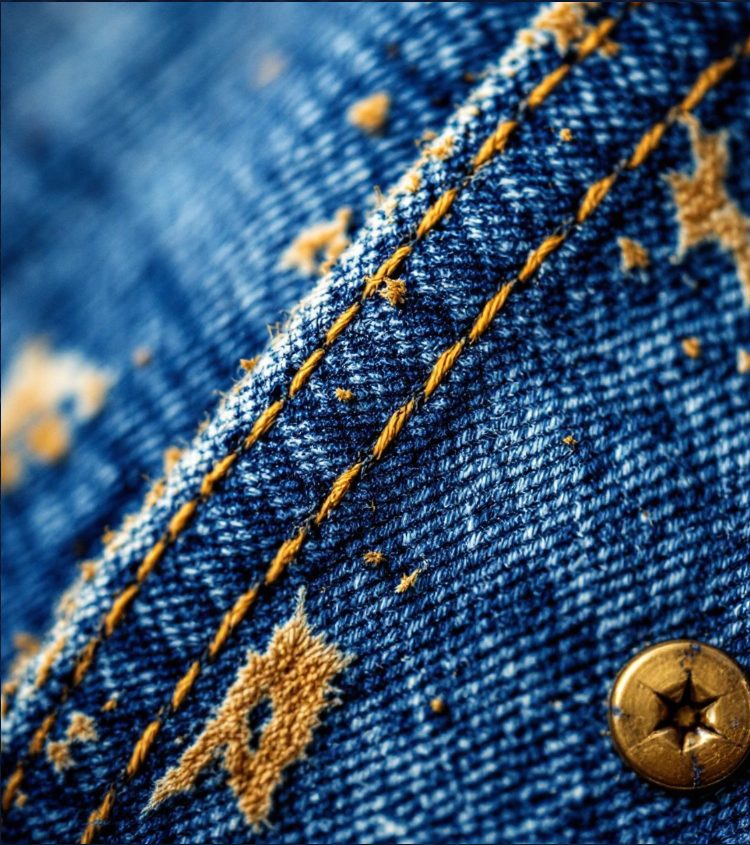
YILTEKS Washing and Piece Dyeing is a pioneering organisation in the finishing of sportswear. Many of the innovations the sector needed in Türkiye were brought to life through YILTEKS Washing, founded in 1968.
How this company works
The philosophy of the Yılteks Group is to deliver the best service to the customer with the most modern means. Using the latest-technology machinery park that the world's leading companies rely on, YILTEKS Washing runs laboratory and R&D work at the Güneşli facilities — the largest capacity in Türkiye — and washing and piece dyeing at the Çorlu facilities.

Laboratory & R&D in Güneşli
Recipes are developed, matched and archived in our own laboratory before a single garment is washed.

Washing & piece dyeing in Çorlu
Production runs on the latest machinery park, with a washing capacity of 60,000 pieces a day.
Many of the innovations the Turkish market needed in garment finishing were brought to life through YILTEKS Washing.
Why this matters for your order
Washing is where a denim garment gets its character. Doing it in-house keeps the recipe, the water and the timing under our own control.
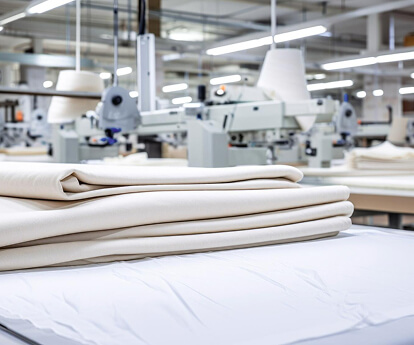
Six decades of recipes
Piece washing and piece dyeing since 1968, with an archive of proven, repeatable recipes.
- Repeatable wash recipes
- Our own chemical laboratory
- Organic washing certified since 2007
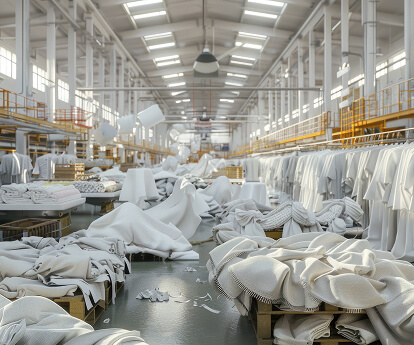
Capacity that absorbs peaks
The largest washing capacity in Türkiye, spread across the Güneşli and Çorlu plants.
- 45,000 m² of closed area
- 60,000 pieces a day in washing
- 10 tonnes a day in dyeing
Frequently asked questions
500 pieces per style, per colour. Below that we can still develop samples and run a proto programme so a capsule drop is never blocked by quantity.
Denim and non-denim trousers, jackets, shorts, skirts and shirts.
Yes. Washing and garment dyeing have been our core business since 1968, with our own laboratory, R&D team and 45,000 m² of closed area in Türkiye.
amfori BSCI, SLCP, IDFL, ISO, Cascale, Textile Exchange (GRS and OCS), Sedex, WRAP and OEKO-TEX. Full certificate scans are shared on request.
Production in the Port Said Public Free Zone started in June 2026, with a monthly capacity of 300,000–400,000 denim and non-denim garments.